Digg's Gardens
Landscape gardeners in Worcester

One firm for the fencing, the landscaping and the trees.

We cover Worcester and the surrounding Worcestershire areas with a comprehensive fencing, landscaping, tree surgery and garden service. No job is too big or too small.

What we can take on

What we take on

Patios, fencing, tree work, driveways and full garden makeovers, for new customers and the ones who keep coming back.

01

Patios and paving

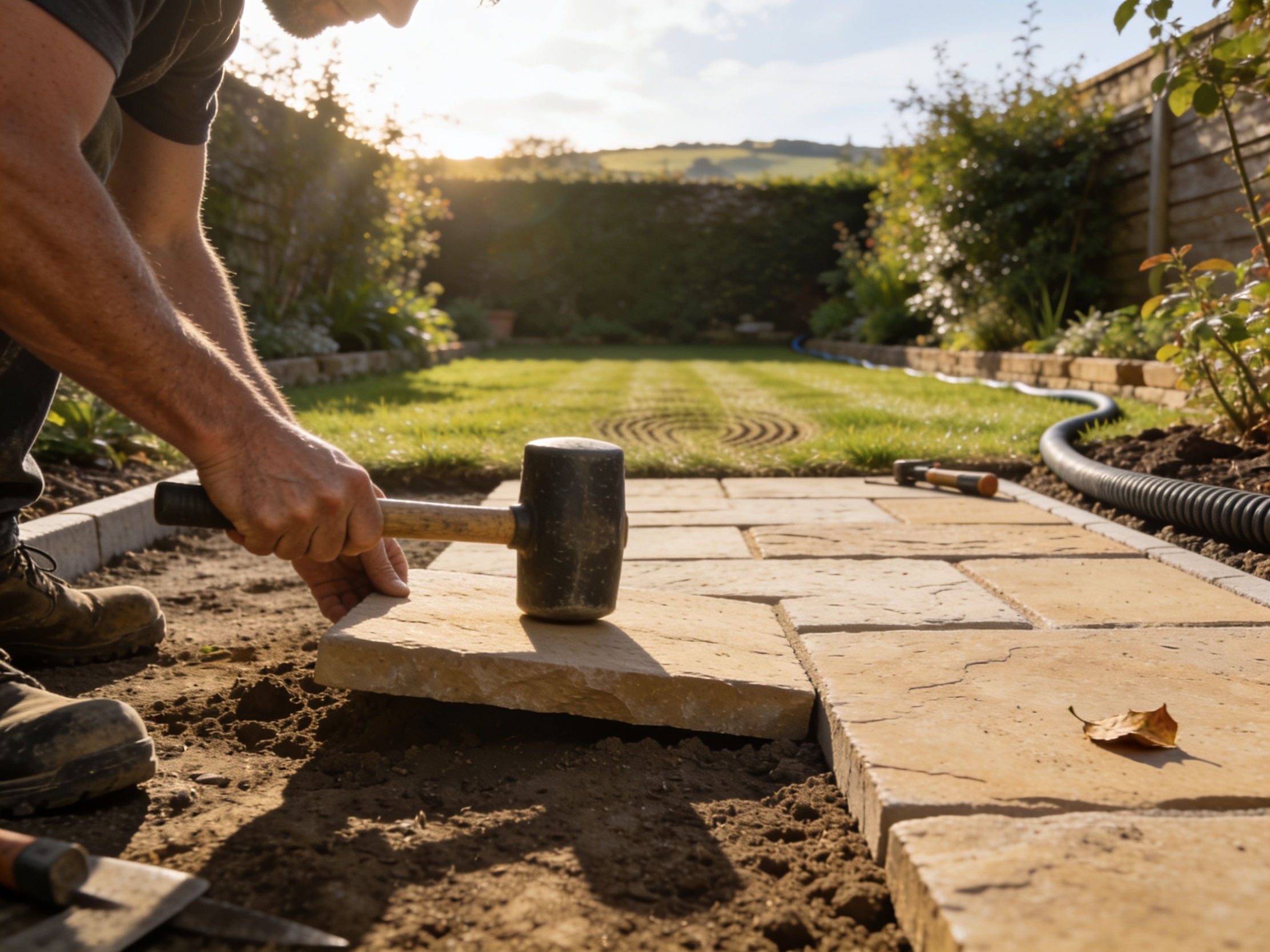
Patios laid on a proper base with clean edging, like the 900x600 porcelain jobs our customers show off.

02

Fencing

New fence runs and replacements, including composite panels that never need painting.

03

Tree surgery

Tree reductions, removals and tidy-ups, all cleared away afterwards.

04

Driveways

Old driveways lifted and replaced, or revamped with fresh surfacing.

05

Garden makeovers

Whole gardens brought back into use: levels raised, pathways laid, lawns renewed.

06

Garden maintenance

The ongoing care that keeps it all looking after itself.

About us

Who we are

Digg’s Gardens is run by John Digger, a landscape gardener based in Worcester. We cover Worcester and the surrounding Worcestershire areas, and a lot of our work comes from returning customers: patios in Pershore, garden makeovers in Claines, driveways revamped and gardens brought back under control. No job is too big or too small.

The way we work

Quality, care, and no fuss

Quality

Materials and methods we would use on our own place. The work should still look right years from now.

Care

We do the small things properly: edges, corners, the parts nobody photographs.

Communication

You will know what is happening and when. If something changes, you hear it from us first.

Respect

Your time, your home, your neighbours. We work like guests, because we are.

The process

What happens after you get in touch

Three stages. The same on every job, whether it is an hour or a fortnight.

01

We talk it through and come out

Tell us roughly what you are looking at. We come and see it in person, because nothing sensible gets quoted off a description alone.

02

You get a quote and a date

You will know what is included before anything starts, and the date goes in the diary once you are happy.

03

We do it, and we tidy up

The work gets done as agreed, and everything we brought or created leaves with us.

Where you will find us

Worcester, and the villages either side of it

We cover a comfortable radius rather than a fixed boundary. If you are near the edge of it, it is worth a call to check.

01WorcesterBase
02Pershore
03Claines
04Droitwich
05Malvern
06Evesham
Ask for a price

Tell us about your garden

Send us a few details and we will come back to you. A sentence about what you need is enough to start with.

Prefer to talk? The number is above.

Goes straight to Digg's Gardens, and never to anyone else.

Common questions

Questions we get asked before the first visit

Do I need planning permission to pave my front garden?

If you lay more than five square metres of new impermeable surface, yes, unless the water drains to a permeable area within your own property. Permeable paving, gravel, or a channel feeding a border normally keeps the job inside permitted development.

Why do some patios sink and others do not?

What is underneath. A patio needs excavating to a proper depth and a sub-base of crushed stone compacted in layers before anything is laid. Paving put straight onto soil or an old surface looks identical on the day and starts rocking and opening at the joints within a few seasons.

How close to the house can paving go?

It has to finish far enough below the damp proof course that rain splashing off it cannot bridge into the wall, and it has to fall away from the building. Paving laid too high against a house causes damp inside, which costs far more to put right than the patio did.

Sandstone, porcelain or concrete?

Concrete is cheapest and can fade over time. Natural stone has real variation, is porous and benefits from sealing. Porcelain resists staining and algae and holds its colour, but costs more to buy and to lay because it needs specific cutting equipment and a slurry primer. None is simply better; they differ in maintenance.

How long does a garden project take?

It depends far more on access and ground conditions than on size. A rear garden reachable only through the house changes the method for every stage, and heavy clay in winter slows the excavation stages for reasons nobody controls.

What order should the work happen in?

Access first, then anything that gets buried such as drainage and ducting, then levels and structures, then hard surfaces, and soft landscaping last so finished surfaces are not worked over by machinery.
Worth knowing

Four things worth knowing before you start

Useful whether you call us or not. These are the parts of landscaping that cost people money when they are not known in advance.

01

Paving a front garden can need planning permission

Over five square metres of new sealed surface in your front garden needs planning permission, unless the water drains to a permeable area on your own land. Permeable paving, gravel or a channel into a border keeps you inside the rules. The most commonly missed rule in domestic landscaping: settle it before you order.

02

What is underneath decides how long it lasts

Your patio is only as good as what is under it: proper excavation, stone compacted in layers, then the paving. Slabs laid onto soil or an old surface are why patios sink and rock. When you compare quotes, compare excavation depth and build-up, because that is where the price difference hides and you cannot see it once finished.

03

Falls and levels are not optional

Paving by your house must fall away from the building and finish safely below the damp proof course, or rain bridges into the wall. A patio that looks flat is built with a deliberate slight slope. Get this wrong and the bill is damp inside your house, not a patio repair.

Get a quote